2DArtist / Issue 024 / December 2007
Figurative & Foundational Studies Series 1
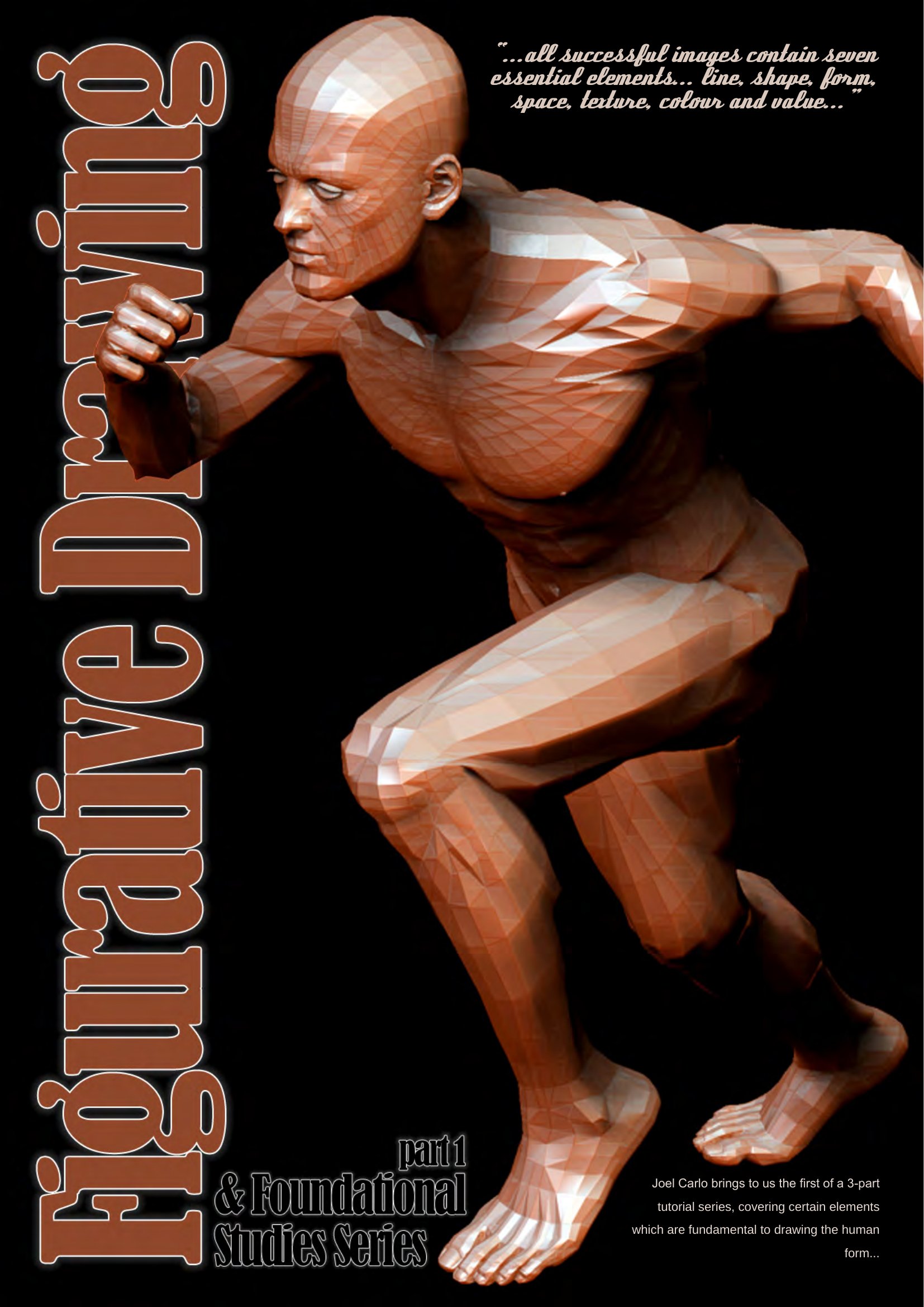


"...all successful images contain seven essential elements... line, shape, form, space, texture, color and value..."
Introduction
Whether you are an advanced or intermediate figurative artist, at some point in time you've undoubtedly come across problems as you've progressed through the creation of an image. This should be of no surprise, since painting or drawing the human form properly is an extremely difficult task to master, and can generally be seen as an exercise in problem solving. How we find solutions to these problems depends on numerous factors; however, overcoming these obstacles can be made less difficult if you have a solid understanding of the basic elements of art. In this three-part foundational studies series, I will provide an overview of these elements, and later we will apply them to create a figure drawing using traditional media in the last segment of the series. Let's get started!
If you take a step back to look at any work of art, you will find that nearly all successful images contain seven essential elements. These elements are as follows: line, shape, form, space, texture, color and value. Each of these elements work in concert in such a way that, if one is missing or is executed improperly, problems within an image begin to occur. For the first part of this series, we will take a look at the first three elements: line, shape and form (Fig.1).
Line
Line is defined as a continuous extent of length, straight or curved, and often defines the edges of a form. It's important to understand that line doesn't necessarily have to be drawn in a direct fashion (Fig.2) in order to be seen.
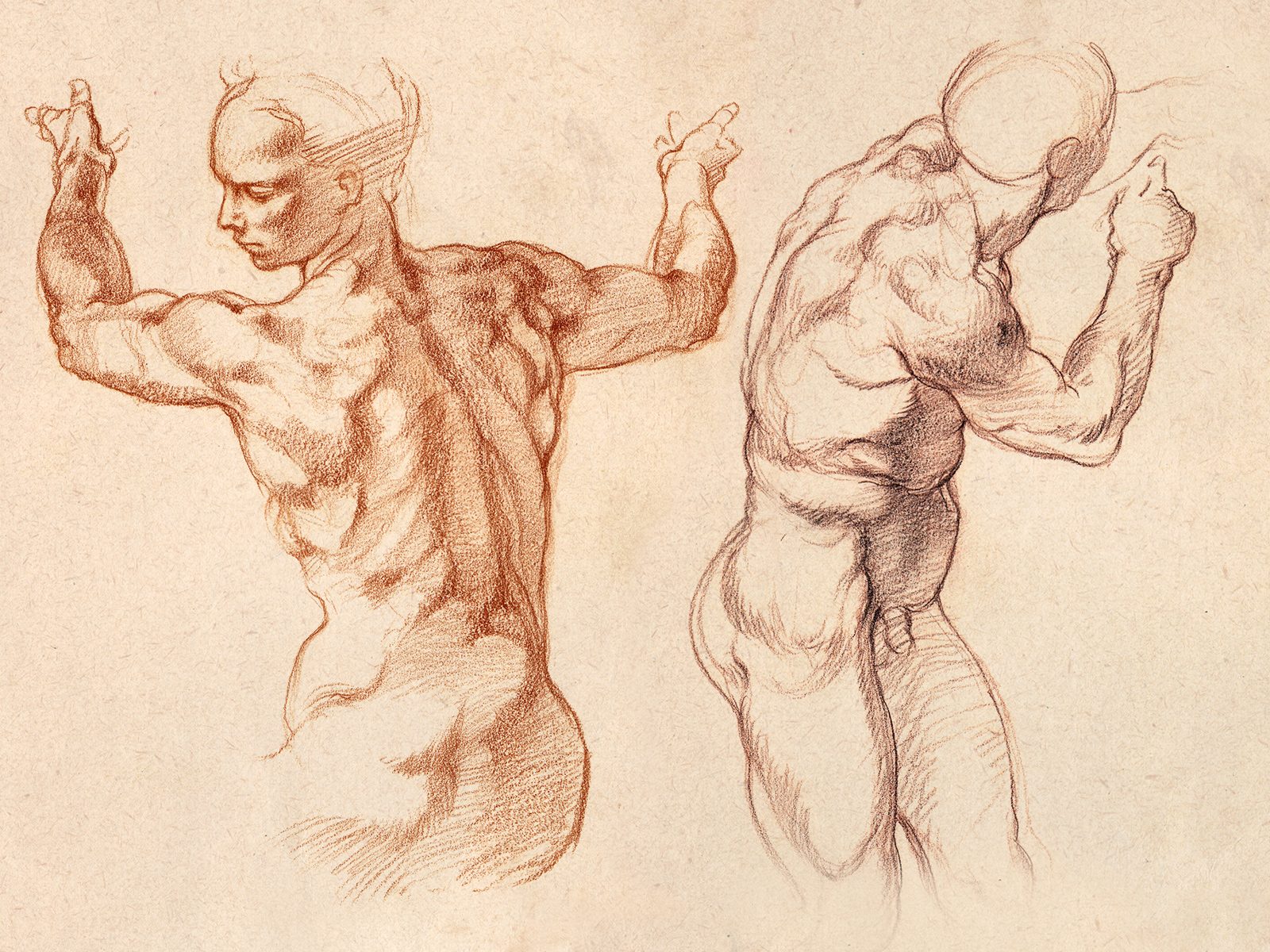 Fig.2
Fig.2
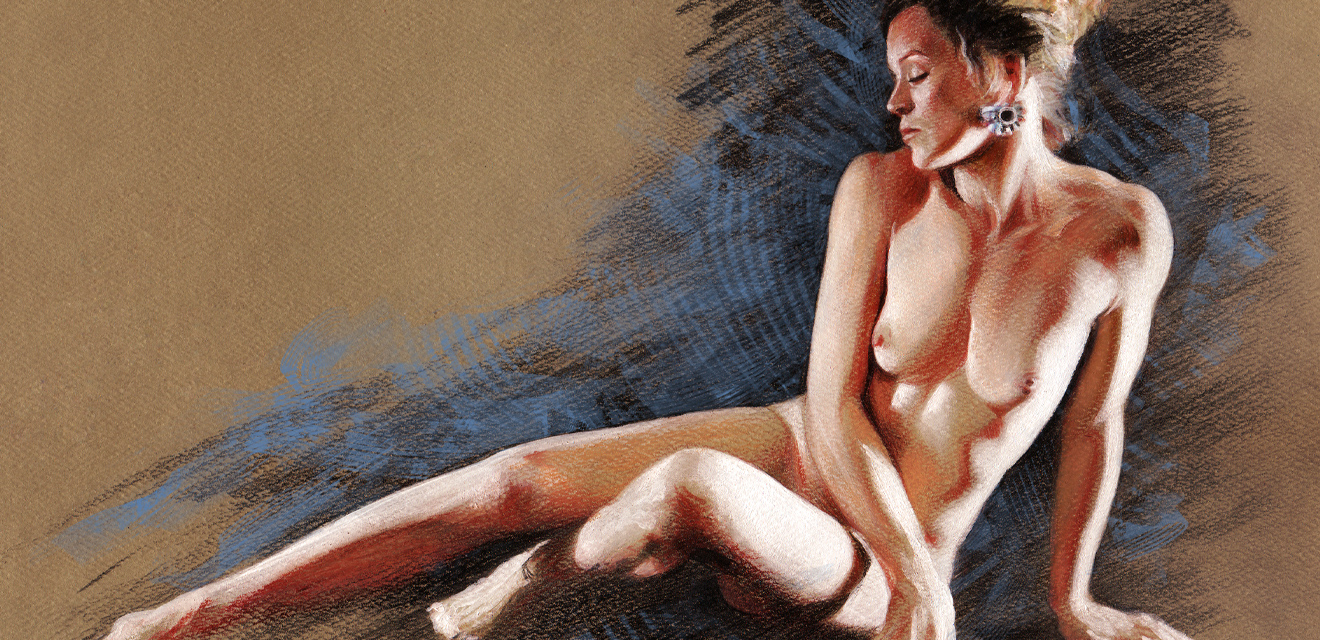
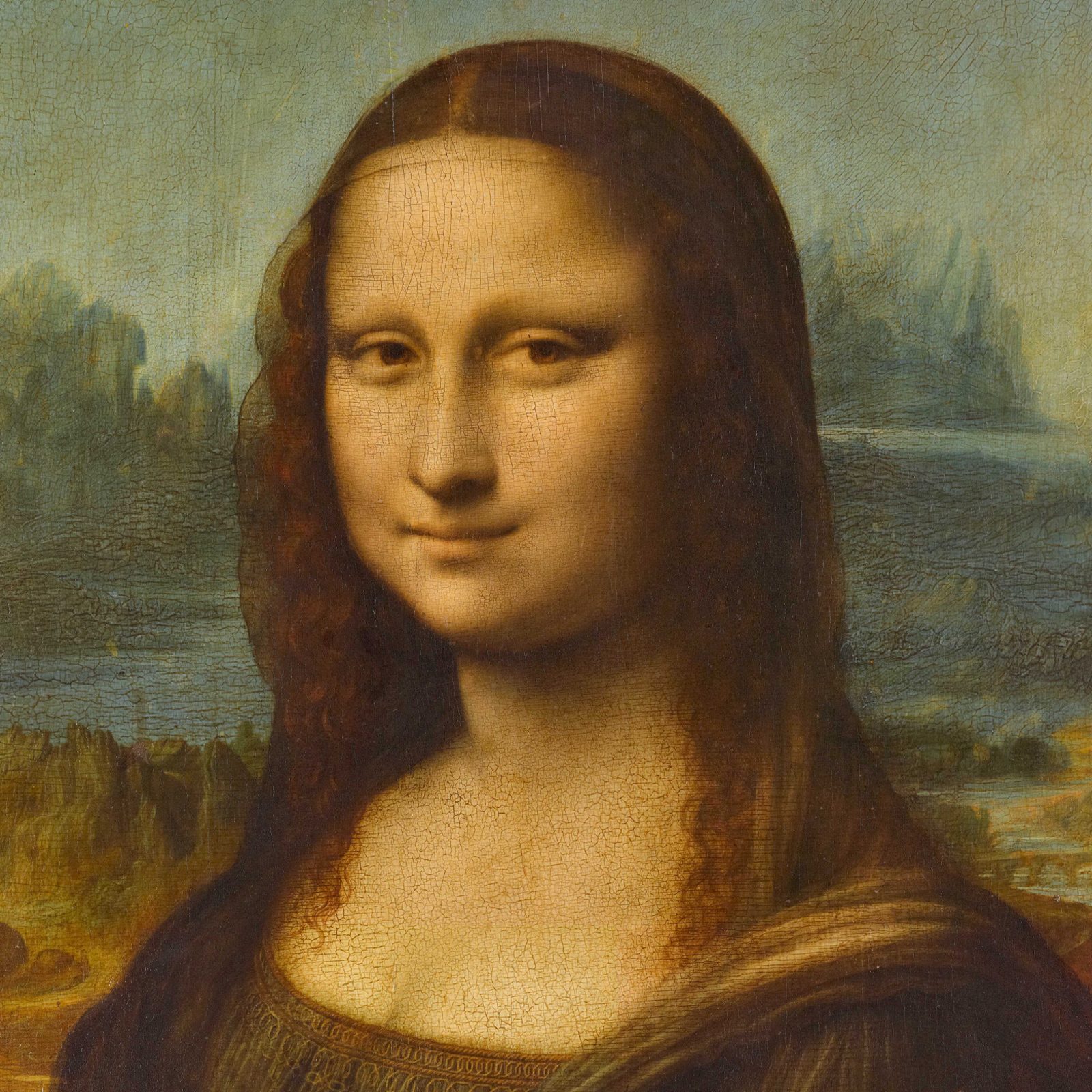
Line can be implied indirectly when the dark and light areas of a form meet. This is known as a shadow edge and can be seen as either a form shadow, composed of soft edges, or a cast shadow which contains hard edges. An example of this can be seen in works such as Leonardo da Vinci's 'Mona Lisa' (Fig.3). If you look carefully at the image, you'll notice how line can be perceived without it actually being drawn. The edge where the right side of her neck and cheek meet the shadowed area of her hair, can be perceived as a line because of the intensity of contrasting values. The left area of her face however is defined by soft shadows, making it slightly more difficult to perceive where the transition between light and dark areas begin.
Shape
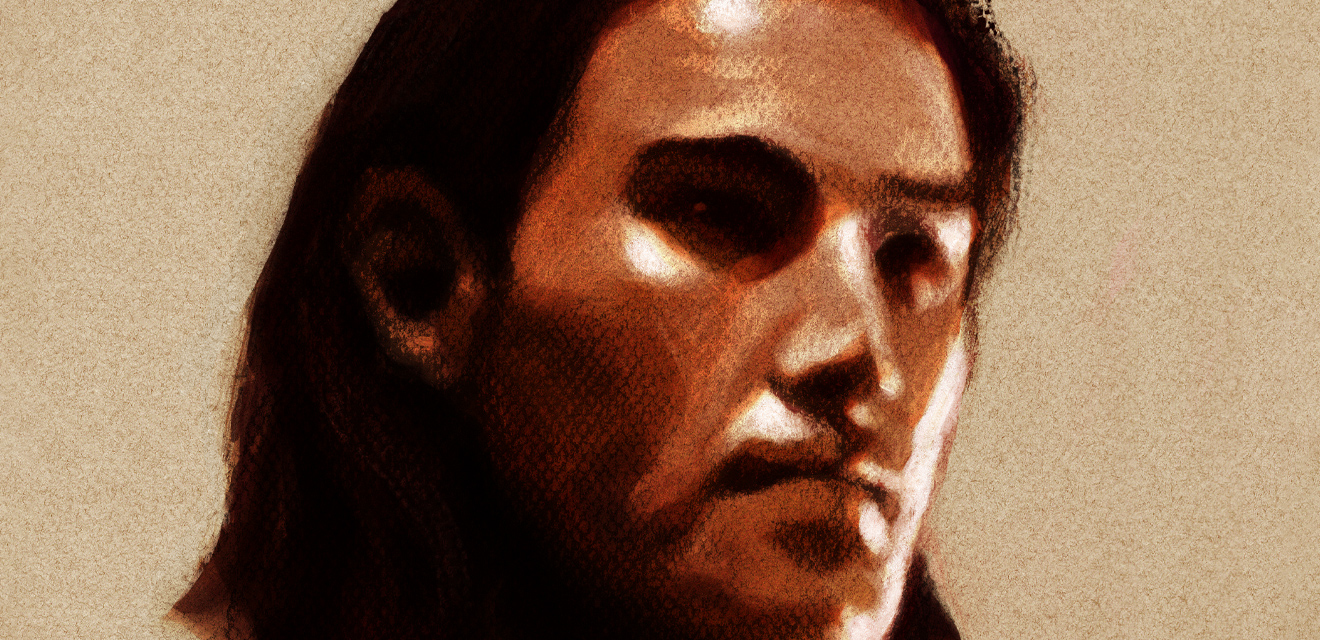
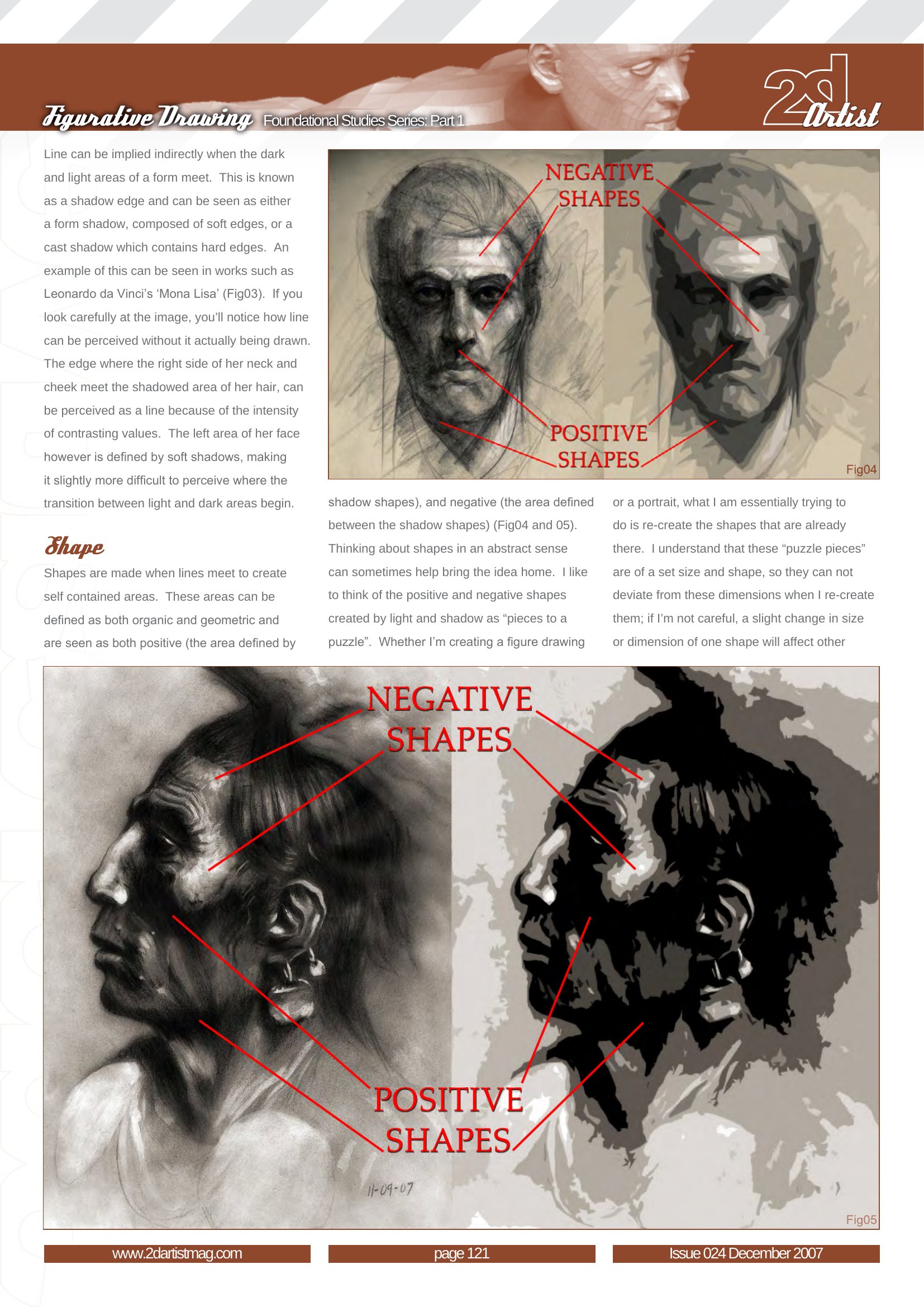
Shapes are made when lines meet to create self contained areas. These areas can be defined as both organic and geometric and are seen as both positive (the area defined by shadow shapes), and negative (the area defined between the shadow shapes) (Fig.4).
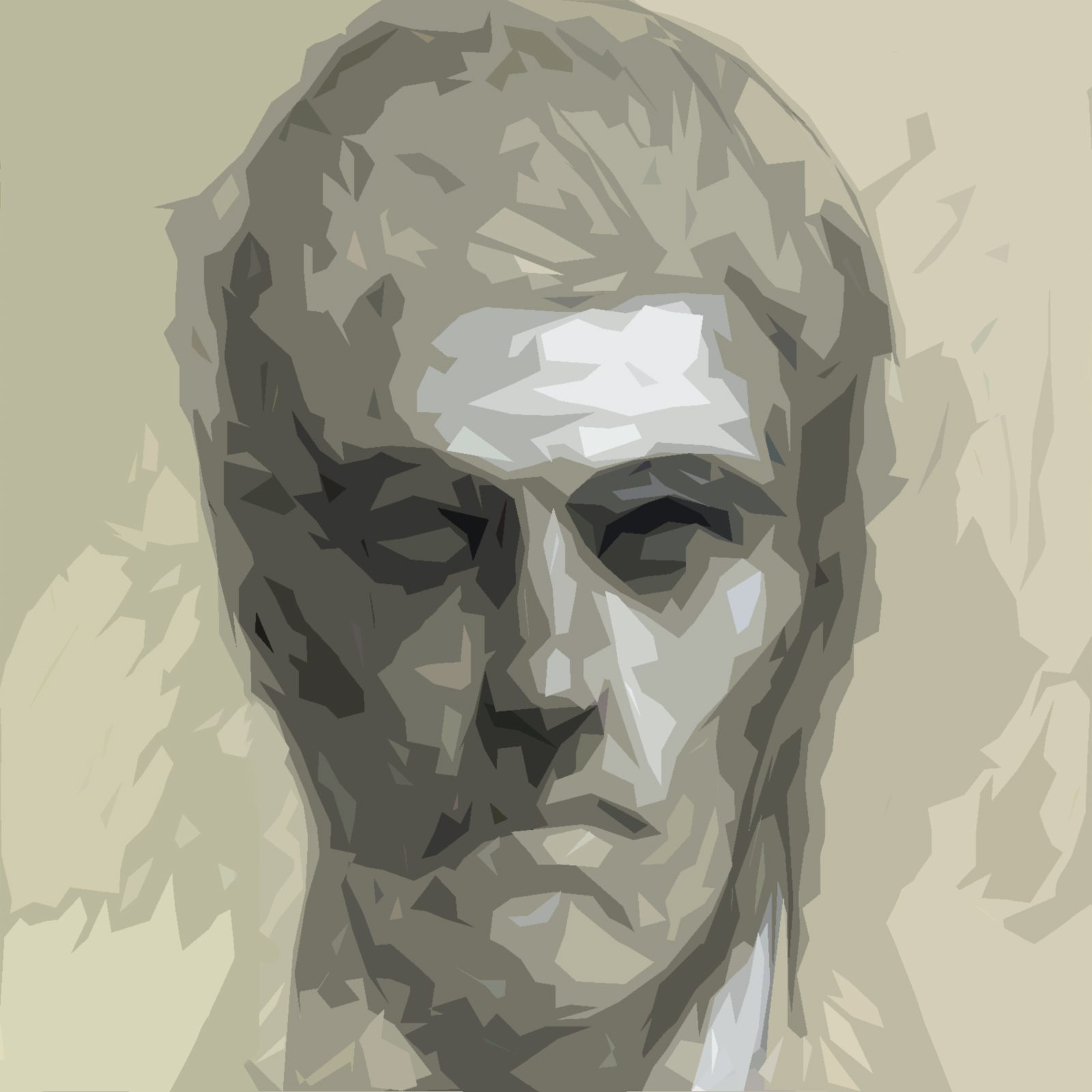
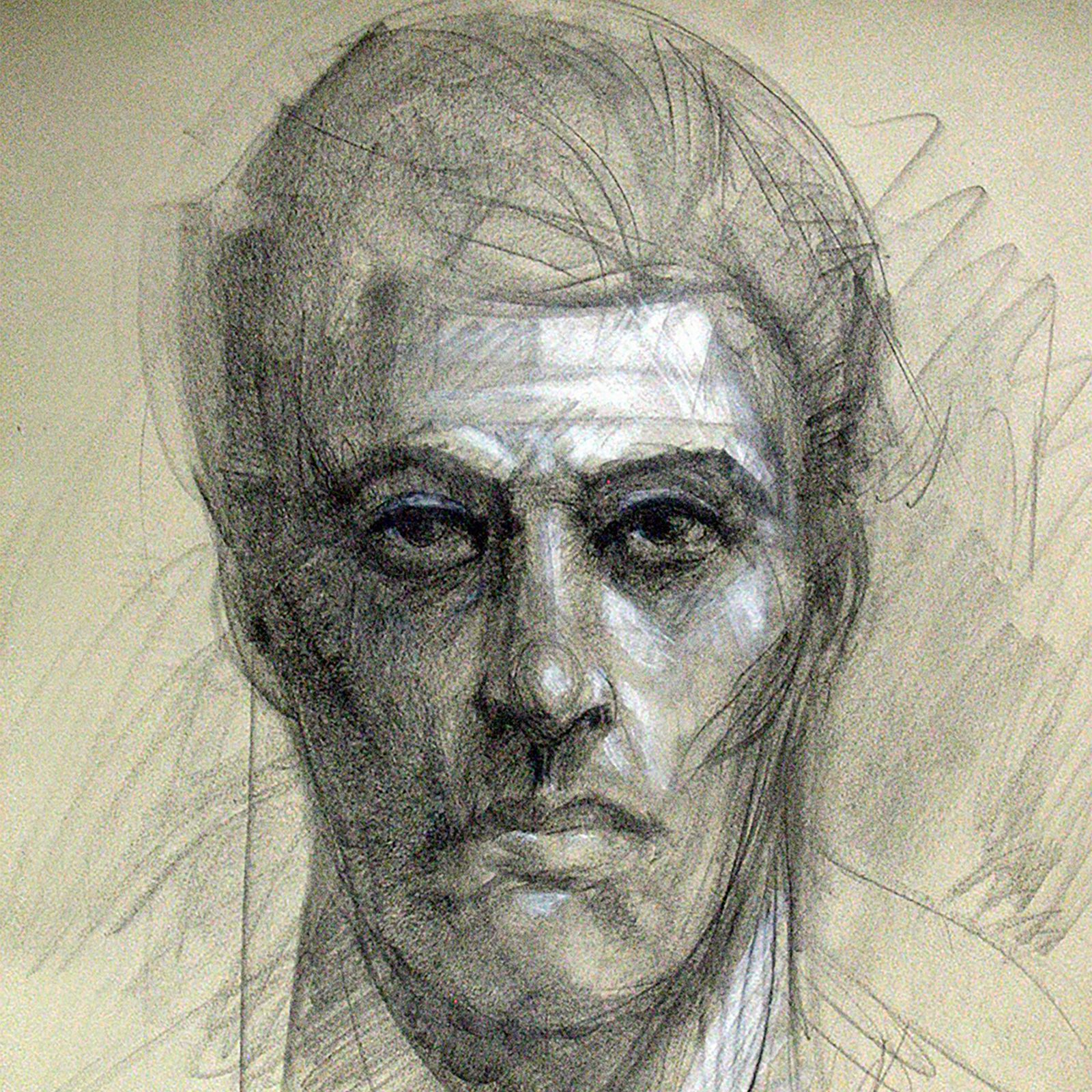
Thinking about shapes in an abstract sense can sometimes help bring the idea home. I like to think of the positive and negative shapes created by light and shadow as "pieces to a puzzle". Whether I'm creating a figure drawing or a portrait, what I am essentially trying to do is re-create the shapes that are already there. I understand that these "puzzle pieces" are of a set size and shape, so they can not deviate from these dimensions when I re-create them; if I'm not careful, a slight change in size or dimension of one shape will affect other shapes surrounding it, which eventually leads to proportional issues caused by distortion.
Form
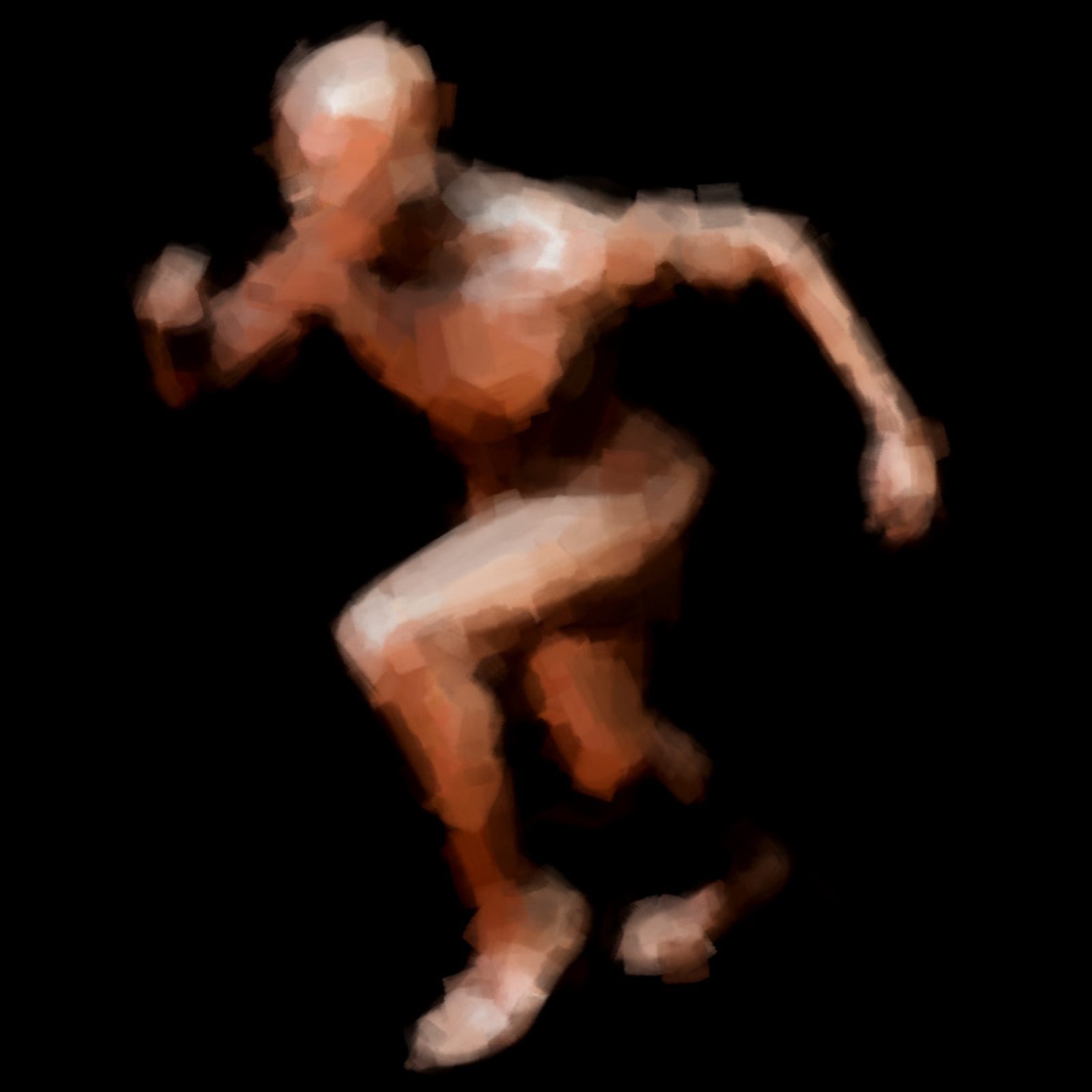
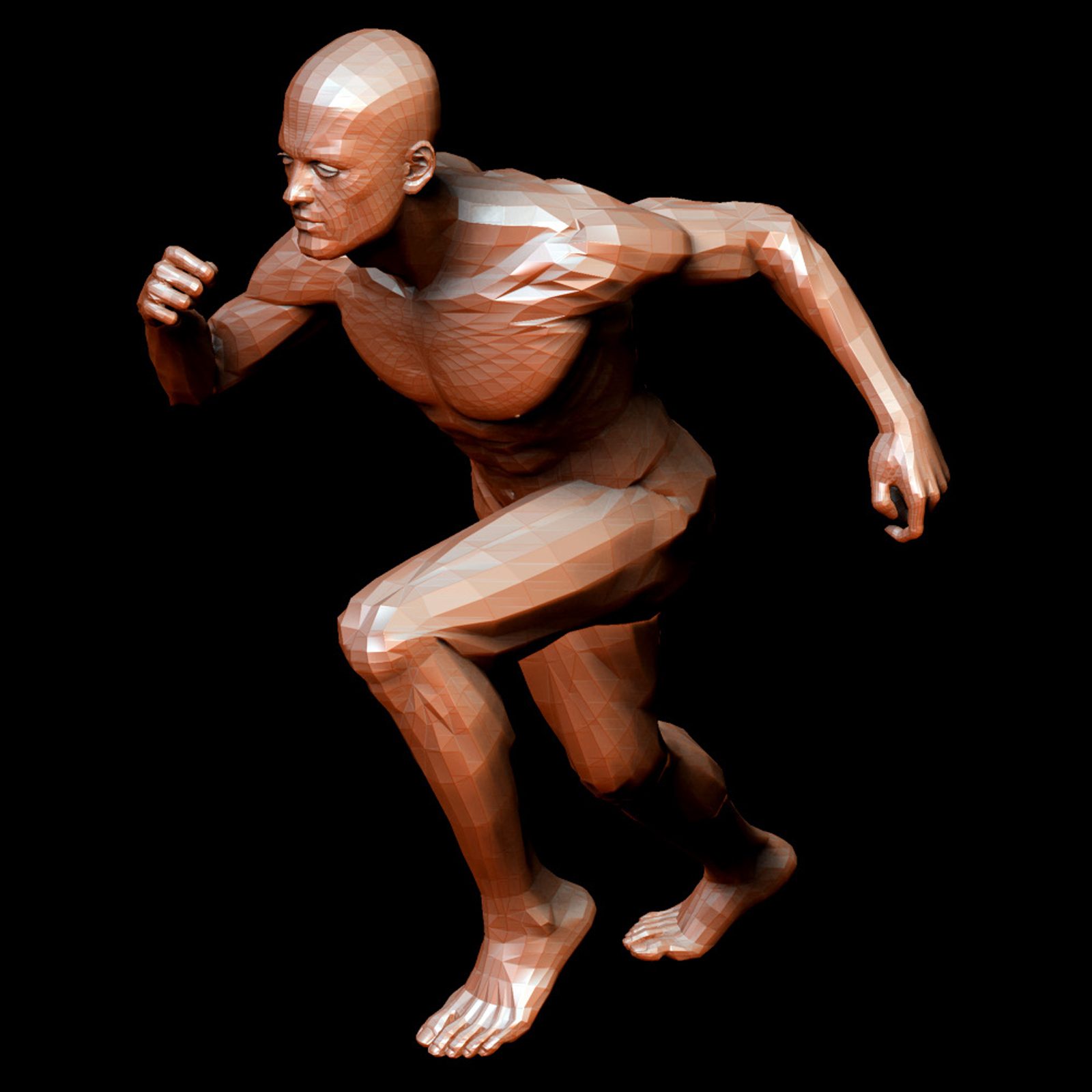
When space encloses an area of gradient values that define an object's volume through the presence of light and shadow, form is created. An easier way to understand this is to think of form as shape with tonal value. Form gives us the necessary visual information needed to understand an object's mass, shape and depth. In the examples shown here (Fig.5), you can see how the clarity of defined shapes (in this case polygons) make it easier to comprehend 3-dimensional form. The crisp definition of each polygonal shape in the 3D model to the left, provides all the information needed in order to see the figure's true form. The rough paint over to the right lacks significant detail, making it harder to see the form as it should be. There are simply not enough value shapes to define the form properly. However, the rough does provide one implicit benefit: it simplifies the form. By doing so, we are able to see large areas of light and shadow masses easily, which allows us to better gauge proportion of our tonal shapes. Once the largest shapes are defined, we can then move on to the middle-sized shapes, and finally to the smallest shapes.
Summary
Although this brief overview may not completely encompass the full extent of these basic art elements, I hope that even in its simplicity it has left you with a somewhat clearer understanding of what they are and how they can be used to create better images. In the next part of this series, we'll be taking a look at color theory. See you next month!